
The bird that woke us up has fallen silent. Can we bring back the Sparrow’s chirp?
The Bird That Woke Us Up Has Fallen Silent: Can We Bring Back the Sparrow's Chirp?
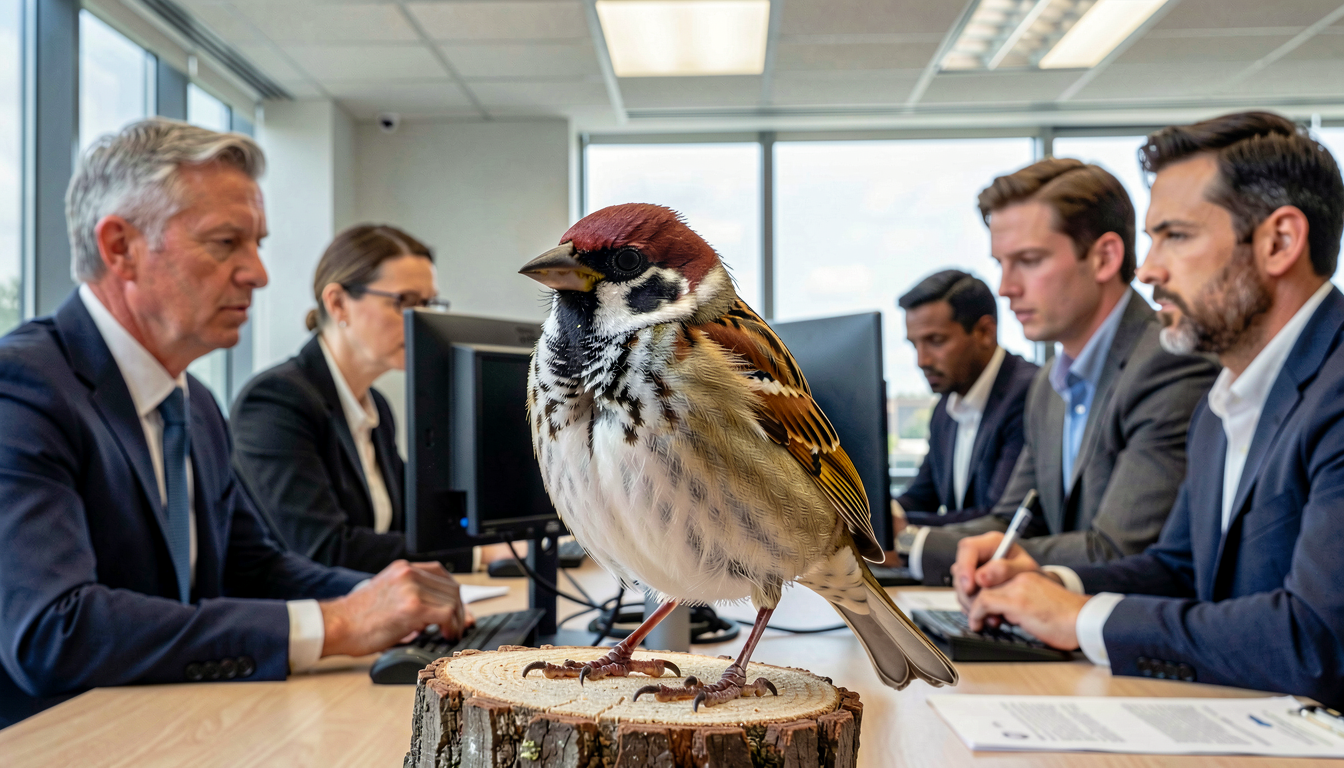
The Bird That Woke Us Up Has Fallen Silent: Can We Bring Back the Sparrow’s Chirp?
Thedeshpost.com – The bird that woke us up has fallen silent. In the early hours of the morning, when the world was still wrapped in darkness, the melodic call of sparrows used to signal the start of a new day. Today, that sound is increasingly absent, replaced by the hum of traffic and the chatter of fewer birds. This quieting of the urban soundscape raises a pressing question: can we revive the sparrow’s chirp and restore the natural harmony that once defined our mornings?
A Global Silence
Across the globe, sparrows are facing an alarming decline. Bird Life International highlights a nearly 64% drop in their population across Europe since the 1970s, while the British Trust for Ornithology reports a staggering 71% reduction in London between 1994 and 2002. The trend is not limited to these regions—similar patterns are emerging in North America and parts of Asia, with the most severe losses occurring in urban and suburban areas. This global phenomenon underscores the urgent need to address the factors driving their disappearance.
“The bird that woke us up has become a symbol of ecological imbalance,” notes environmental scientist Dr. Priya Menon. “Its decline reflects a broader shift in our natural habitats, often unnoticed until the silence becomes too profound to ignore.”
The Disappearing Habitat
India is witnessing this transformation firsthand. In Andhra Pradesh, sparrows have dwindled by 80%, while Kerala, Gujarat, and Rajasthan each recorded a 20% drop in their numbers. Coastal cities, such as Thiruvananthapuram, saw entire flocks vanish by 2003, despite being abundant in 1998. These changes are not random—they are the result of urbanization altering the environments sparrows once called home.
Traditional architecture, with its open eaves, tiled roofs, and natural crevices, provided perfect nesting spots for sparrows. However, the rise of glass-and-concrete structures has created a stark contrast. These modern buildings, while visually striking, are smooth, sealed, and inhospitable. Even air conditioning units, designed for human comfort, now block potential nesting sites rather than accommodate them. The loss of these habitats is a critical factor in the bird’s decline.
Feeding the Silence section needs expansion. Let me add more details about the urban environment’s impact on sparrow diets and behaviors. For instance, sparrows once thrived on seeds scattered in open spaces and insects found in gardens. Now, the use of pesticides in agriculture and urban landscaping has drastically reduced insect availability, a key food source for their young. Additionally, modern infrastructure has eliminated the open drains and leaky pipes that once provided sparrows with reliable water sources. These changes have not only affected their survival but also their ability to thrive in cities.
Why Sparrows Matter
Sparrows are more than just a common bird—they are ecological indicators. Their presence or absence speaks volumes about the health of an urban ecosystem. In a neighborhood where sparrows are gone, the air feels heavier, and the natural rhythm of the day is disrupted. This shift is not just an aesthetic loss; it signals a deeper imbalance in our surroundings. The bird that woke us up was a reminder of nature’s role in our daily lives, and its silence now leaves a void that is hard to fill.
Moreover, sparrows contribute to biodiversity by controlling insect populations and serving as prey for larger birds of prey. Their decline has cascading effects on the food chain, highlighting the interconnectedness of urban ecosystems. As we continue to expand cities, the question remains: are we prepared to adapt our environments to sustain the bird that once greeted every dawn?
Towards a Sustainable Future
Reviving the sparrow’s chirp requires a multifaceted approach. Urban planners and architects must integrate green spaces and nesting-friendly designs into new developments. Simple measures like leaving gaps in building facades, incorporating birdhouses, and using materials that allow for natural crevices can make a significant difference. Communities can also play a role by creating sparrows’ feeding stations and reducing pesticide use in their gardens.
Education and awareness are equally important. Schools and local organizations can initiate programs that teach children about the ecological significance of sparrows. By fostering a deeper connection with nature, we can inspire actions that protect these birds. The bird that woke us up is not just a creature of habit—it is a symbol of our relationship with the natural world. Its return depends on our willingness to change and adapt our environments to support its survival.
In conclusion, the decline of sparrows is a call to action. As the bird that woke us up fades from our mornings, we must ask ourselves: what have we lost in our pursuit of progress? By addressing the root causes of their disappearance and taking proactive steps to restore their habitats, we can work towards bringing back the sparrow’s chirp and rekindling the harmony that once defined our urban spaces.