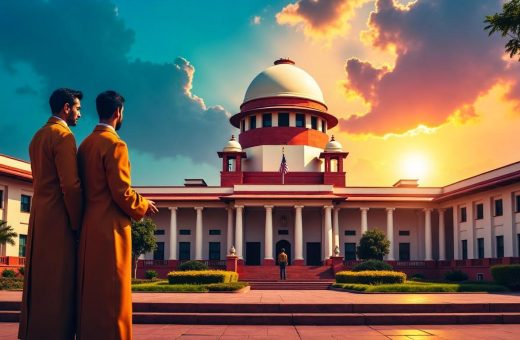
‘Indecorous behaviour’: India condemns disruption at CJI Surya Kant’s UK speech
'Indecorous Behaviour' Sparks Debate as India Condemns Disruption at CJI Surya Kant's UK Lecture Thedeshpost.com – The issue of indecorous behaviour has taken center stage following a recent incident during…
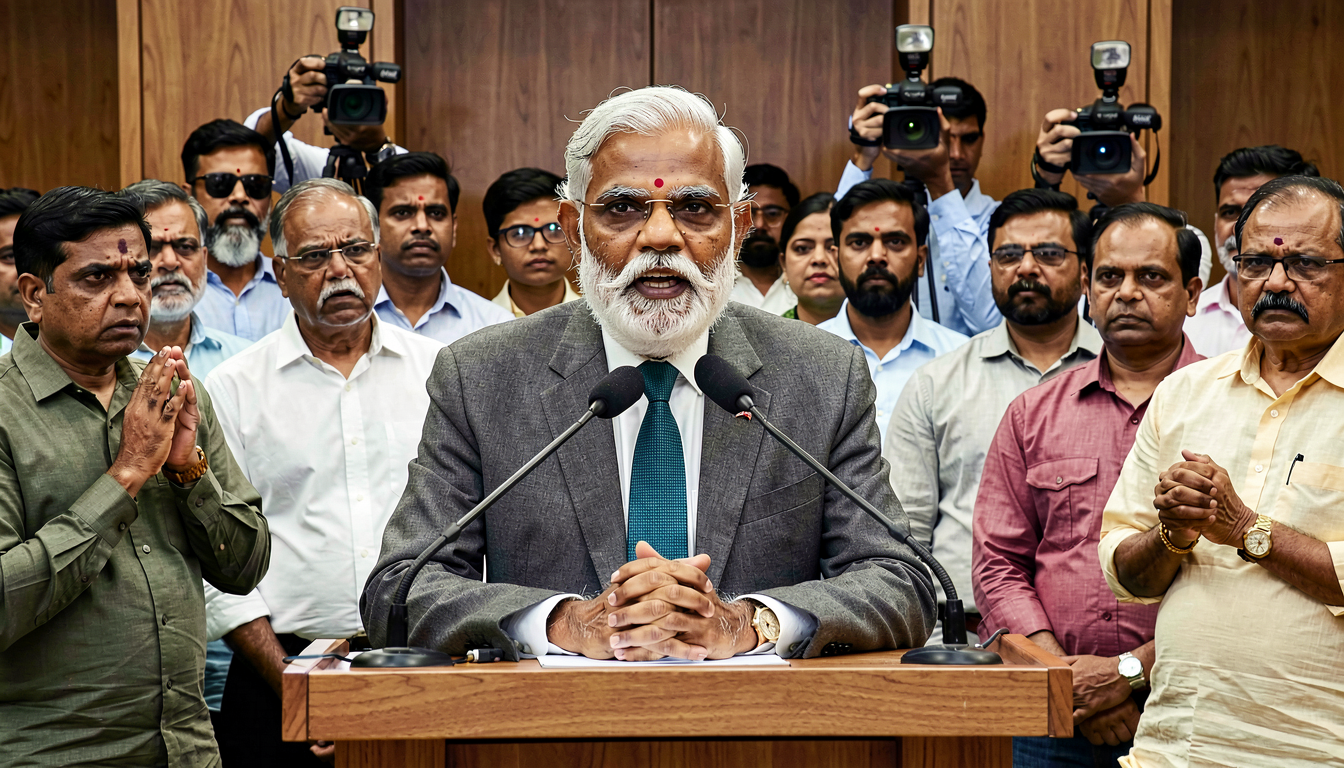
‘Indecorous Behaviour’ Sparks Debate as India Condemns Disruption at CJI Surya Kant’s UK Lecture
Thedeshpost.com – The issue of indecorous behaviour has taken center stage following a recent incident during Chief Justice of India (CJI) Surya Kant’s lecture in the United Kingdom. Delivered at Birkbeck College, University of London, the address focused on artificial intelligence and its transformative role in international law. However, the event became a flashpoint for debate after a video surfaced online, capturing an audience member attempting to interrupt the speech to voice concerns about India’s democratic practices and its treatment of dissent. The indecorous behaviour of the individual, who disrupted the Chief Justice’s presentation, drew sharp criticism from India’s High Commission and raised questions about the conduct expected in international forums.
Context of the UK Lecture and Public Expectations
CJI Surya Kant’s visit to the UK marked the culmination of a six-day engagement with legal and academic experts to discuss global governance in the AI era. The lecture, part of a series on technological advancements, aimed to bridge gaps between India’s legal framework and international perspectives. Attendees were expected to engage in respectful dialogue, yet the disruption highlighted a potential disconnect between the event’s goals and the conduct of some participants. The High Commission swiftly condemned the indecorous behaviour, emphasizing that such actions risk undermining the credibility of India’s voice on the global stage.
The Chief Justice, known for his advocacy of judicial independence and constitutional values, had earlier stressed the importance of maintaining decorum in public discourse. “In a democracy, dissent is a right, but it must be exercised with respect and clarity,” he noted in a pre-event briefing. The disruption, however, appeared to blur the line between constructive criticism and indecorous behaviour, as the speaker’s attempt to interject sparked confusion and distraction during the session. This moment of turbulence underscored the need for a more structured approach to audience participation in high-profile international events.
AI’s Role in Shaping Modern Legal Systems
During the lecture, Justice Kant elaborated on how artificial intelligence is reshaping legal institutions, from judicial decision-making to administrative efficiency. He cited examples such as algorithmic systems used in welfare distribution and automated processes in courts, which have streamlined operations but also sparked debates over transparency and accountability. The indecorous behaviour during the speech, while brief, brought attention to the tension between technological innovation and traditional democratic values, a theme central to the discussion.
“Indecorous behaviour may seem minor in isolation, but in the context of global legal dialogue, it can signal deeper issues about how societies manage dissent and public engagement,” remarked a spokesperson for the High Commission. The disruption, though limited in scope, served as a reminder that AI’s influence extends beyond technical domains into the realm of international relations and cultural perceptions. Justice Kant’s address, which drew from both Indian and global legal traditions, aimed to foster a nuanced understanding of these challenges while advocating for a unified approach to AI regulation.
The speaker’s interruption centered on India’s handling of dissent and its commitment to democratic values in the face of rapid technological change. While some viewed the interruption as a bold effort to challenge the Chief Justice’s perspectives, others argued that it detracted from the lecture’s key message. The incident sparked a flurry of reactions on social media, with critics questioning whether the indecorous behaviour reflected a broader trend of India’s political climate or a one-off display of frustration.
Despite the disruption, the lecture proceeded with a focus on AI’s potential to enhance legal systems while preserving constitutional principles. Justice Kant reiterated the need for robust legal frameworks to govern AI’s integration, ensuring that its power aligns with democratic accountability. “The goal of this discussion is not to stifle debate but to ensure it remains constructive,” he said, addressing the audience’s concerns in the aftermath of the interruption. The event thus became a microcosm of the challenges facing global legal discourse in the age of artificial intelligence.
As the lecture drew to a close, the Chief Justice urged stakeholders to prioritize indecorous behaviour as a critical component of effective international dialogue. “Respectful engagement is the cornerstone of building mutual understanding,” he added. The incident, while disruptive, also sparked a broader conversation about the expectations of decorum in cross-border intellectual exchanges and the role of AI in shaping future legal paradigms. With the UK trip now concluded, the discussion on indecorous behaviour and its implications for India’s global image continues to resonate in legal and policy circles.