
Telangana takes lead in India’s land restoration efforts, country on track to achieve its 2030 global commitment
Telangana Takes Lead in India’s Land Restoration Efforts Toward 2030 Targets Thedeshpost.com – As India marks its second progress report on the Bonn Challenge, Telangana has emerged as a key…
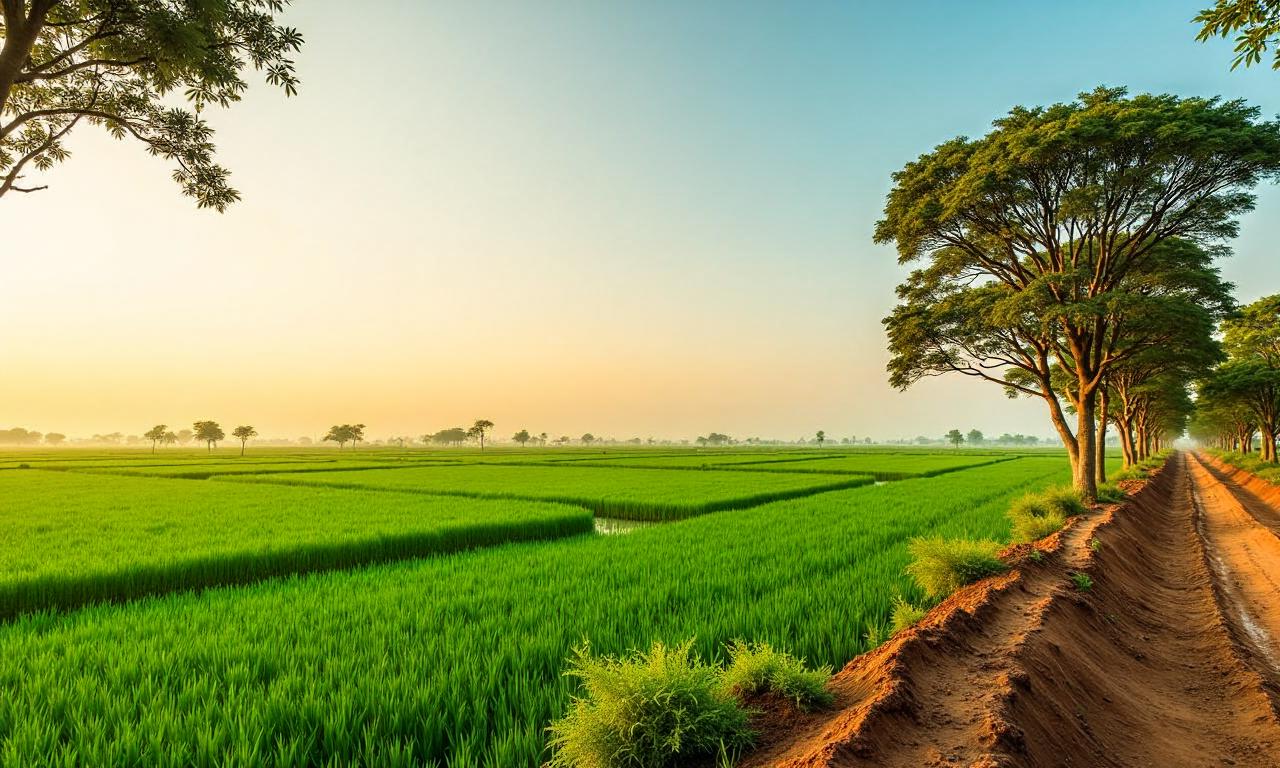
Telangana Takes Lead in India’s Land Restoration Efforts Toward 2030 Targets
Thedeshpost.com – As India marks its second progress report on the Bonn Challenge, Telangana has emerged as a key driver in the nation’s push to reverse land degradation. The report reveals that over 21.7 million hectares of degraded land have been successfully restored, reaching nearly 83% of the 26 million hectare target set for 2030. This progress highlights Telangana’s role in India’s land restoration efforts and underscores the country’s growing commitment to achieving global sustainability goals through targeted ecological interventions.
Telangana’s Dominance in Regional Land Recovery
Telangana has surpassed other states in the land restoration landscape, reclaiming 4.2 million hectares of degraded land. This impressive feat places it ahead of Madhya Pradesh (3.8 million ha), Odisha (2.6 million ha), Gujarat (1.7 million ha), and Andhra Pradesh (1.6 million ha). The state’s focus on sustainable practices, including afforestation and community-driven conservation, has positioned it as a model for other regions in India’s 2030 global commitment. Such efforts not only contribute to environmental rejuvenation but also support socio-economic growth by creating green jobs and improving local livelihoods.
“Telangana’s leadership in India’s land restoration efforts is a testament to the power of integrated policies and grassroots action,” remarked Union Environment Minister Bhupender Yadav during the report’s launch. He emphasized that the state’s progress aligns with India’s broader objective of achieving land degradation neutrality, a goal that requires balancing land loss with restoration across the country.
India’s Bonn Challenge Commitment and Global Implications
Launched in 2011, the Bonn Challenge aims to restore 350 million hectares of degraded ecosystems worldwide by 2030. India’s participation in this initiative reflects its dedication to meeting global environmental targets. The nation has already restored 21.7 million hectares, marking significant strides toward its own 26 million hectare goal. This progress has global implications, as India’s success could inspire similar initiatives in other developing countries facing land degradation challenges.
According to the India Desertification and Land Degradation Atlas, nearly 29.8% of the country’s land—approximately 97.8 million hectares—is affected by desertification and degradation. Of these areas, over 82% are concentrated in nine states and union territories, including Rajasthan, Maharashtra, Gujarat, and Telangana. The Bonn Challenge’s success in these regions will be critical to India’s ability to meet its 2030 targets and achieve land degradation neutrality on a national scale.
Strategies Behind Telangana’s Success
Telangana’s achievements in land restoration are rooted in a combination of scientific innovation, policy frameworks, and public participation. The state has prioritized large-scale afforestation, soil conservation techniques, and the revival of natural ecosystems. Additionally, its focus on agroforestry and sustainable agricultural practices has helped address both environmental and economic challenges faced by rural communities. These strategies, tailored to the unique geography and needs of the region, have been instrumental in Telangana’s ability to lead India’s land restoration efforts.
One of Telangana’s flagship projects is the Aravalli Green Wall, which spans 29 districts in Delhi, Rajasthan, Haryana, and Gujarat. This initiative has exceeded its annual targets, demonstrating the effectiveness of landscape-level restoration. The state’s commitment to integrating science-based monitoring systems has also enabled precise tracking of progress, ensuring that resources are allocated efficiently. Such targeted efforts are critical to India’s ability to meet its 2030 global commitment and set a precedent for other states to follow.
Challenges and Future Outlook
Despite significant progress, India’s land restoration journey faces hurdles such as funding constraints, climate variability, and the need for sustained public engagement. However, Telangana’s leadership in India’s land restoration efforts provides a blueprint for overcoming these challenges. By scaling successful models and fostering collaboration between governments, NGOs, and local communities, the nation can continue its upward trajectory toward achieving its 2030 targets.
As the Bonn Challenge progresses, Telangana’s success in India’s land restoration efforts will serve as a benchmark for other states. The state’s approach—combining policy innovation with community-driven action—has proven effective in addressing land degradation. With continued investment and the expansion of similar initiatives across the country, India is on track to meet its global commitment and set a new standard for sustainable development in the region.