Students’ stir: Rahul, Priyanka lead Congress protest outside PM Modi’s residence; demand resignations
side PM Modi's Residence Students stir the political landscape as Congress leaders Rahul Gandhi and Priyanka Gandhi spearheaded a protest outside the Prime
Students Stir Congress Protest Outside PM Modi’s Residence
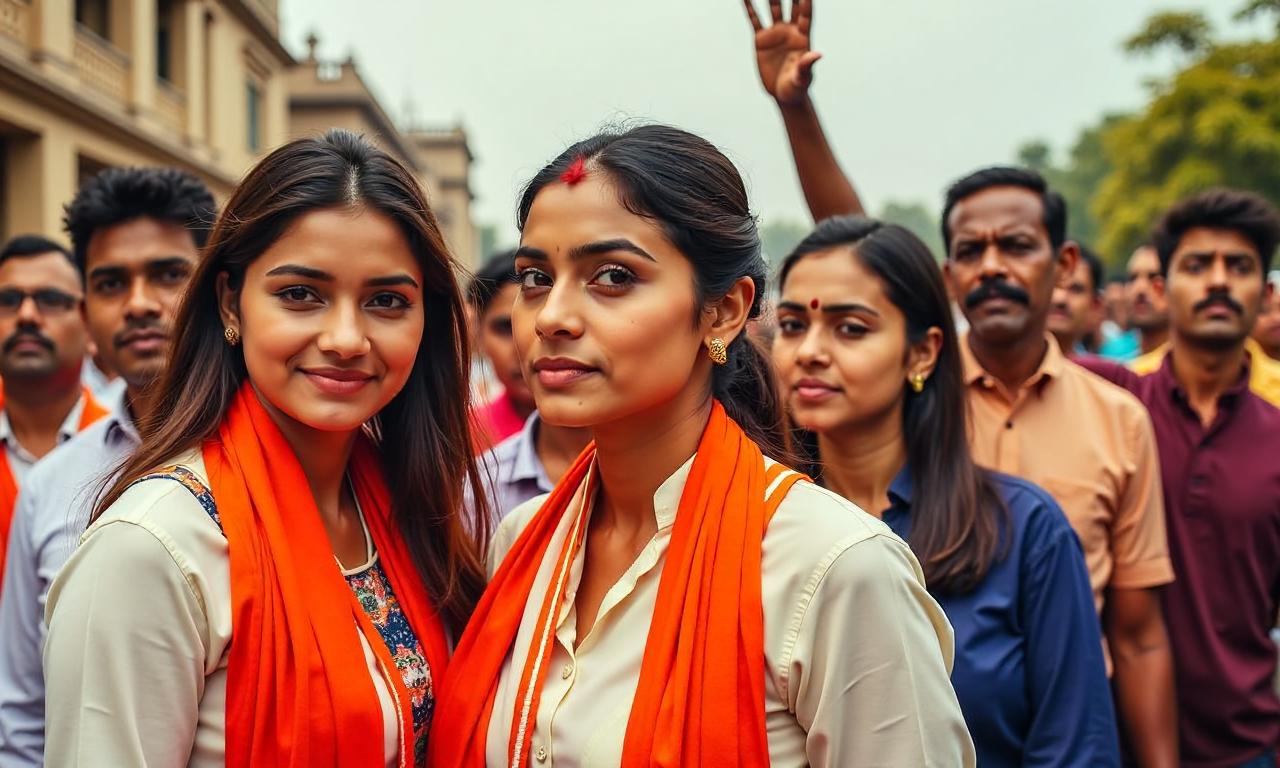
Students stir the political landscape as Congress leaders Rahul Gandhi and Priyanka Gandhi spearheaded a protest outside the Prime Minister’s residence in New Delhi on Tuesday. The demonstration, organized in response to violent clashes reported the previous day, demanded the resignation of Prime Minister Narendra Modi and Union Education Minister Dharmendra Pradhan. Participants highlighted systemic issues in the education sector, particularly the recent NEET-UG paper leaks, as a catalyst for their grievances. The protest marked a significant moment in the ongoing student movement, uniting various groups under the common goal of holding the government accountable.
Protesters Condemn Government’s Handling of Violence
Leaders from the Congress party, including Rahul Gandhi and Mallikarjun Kharge, took the lead in condemning the government’s response to the violence against students. In a social media statement, Gandhi emphasized the need for immediate action, stating, “The administration is evading responsibility and refusing to engage in parliamentary debate.” This sentiment was echoed by other participants who accused the government of downplaying the severity of the situation. The protest drew widespread attention, with over 1,000 students and activists gathering to demand clarity and justice.
“Students’ futures are being trampled. Lathis are being hurled at those who speak up. Modi must apologize for this, and Pradhan should resign over the NEET-UG paper leaks,”
said the Congress party in a social media post, underscoring the core of the protest. The focus keyword “students stir” resonates strongly here, reflecting the growing momentum of the movement. The demonstrators also called for a nationwide inquiry into the incidents, arguing that the government’s inaction has fueled public outrage.
Delhi Police’s Role in the Unrest
Delhi Police became a central figure in the protest, with several Congress leaders detained during the event. Charanjit Singh Channi, K Suresh, and Kanhaiya Kumar were among those taken into custody, sparking accusations of political bias. Channi, while being escorted, remarked, “This is the party’s terrorism. They ignore the voices of students.” K Suresh added, “The police are brutally seizing our members. We protest here because our students were attacked by the Delhi Police yesterday. Neither Modi nor the home minister has spoken out,” further intensifying the demands for accountability.
“The government’s indifference to student protests has reached a breaking point. We are here to ensure their concerns are not dismissed,”
said a spokesperson from the student groups involved. The confrontation outside PM Modi’s residence was seen as a bold move to bring national attention to the crisis. The police response, however, remains a focal point of criticism, with protesters alleging disproportionate use of force against innocent students.
Meeting Injured Students and Their Families
Earlier that day, Rahul Gandhi and Priyanka Gandhi visited the Ram Manohar Lohia (RML) Hospital to meet students who were injured during the clashes the previous day. The visit aimed to show solidarity with the affected individuals and their families. According to PTI reports, the group included the mother of a young woman protester receiving ventilator support, highlighting the personal toll of the protests. Gandhi used the opportunity to reaffirm the Congress party’s commitment to student welfare, stating, “The voices of our youth deserve to be heard, not silenced.”
“Today’s protest is not just about the NEET-UG leaks. It’s about the systemic neglect of students’ rights and safety,”
added a Congress leader during the hospital visit. The emotional weight of the meeting was palpable, with families urging the government to take decisive action. This gesture by the Congress leaders was intended to humanize the movement and strengthen its narrative in public opinion.
Context of the Student Movement
The protests were part of a broader student movement that has gained traction in recent months. The catalyst for this particular demonstration was the alleged leaks of the NEET-UG exam paper, which students claim compromised their chances of securing admission to medical colleges. The incident has sparked widespread anger, with students accusing the government of corruption and negligence. This has led to a series of demonstrations, including a previous rally at Jantar Mantar, where thousands of participants marched toward Parliament to voice their demands.
“Students stir the nation when they are silenced. This is a call for justice and a reminder of our democratic values,”
said a student representative at the protest. The movement has also drawn support from other political parties and civil society organizations, indicating a united front against the perceived injustices. As the protests continue, the focus remains on ensuring that the government addresses the root causes of the unrest and protects the rights of students.
With the ongoing demonstrations, the Congress party and student groups are pushing for a national dialogue on educational reforms. They argue that the government must take concrete steps to prevent future incidents and provide a transparent explanation for the violence. The protest outside PM Modi’s residence is a symbolic act, aiming to draw attention to the plight of students and the need for systemic change. As the movement gains momentum, it is expected to influence upcoming political developments and shape public discourse on governance and youth empowerment.