
‘Pristine forests at risk’: Jairam Ramesh urges Rajnath Singh to rethink Great Nicobar airport, expand INS Baaz instead
Pristine Forests at Risk: Jairam Ramesh Urges Expansion of INS Baaz Over Great Nicobar Airport Thedeshpost.com – Concerns over the ecological impact of development projects on India's untouched natural landscapes…
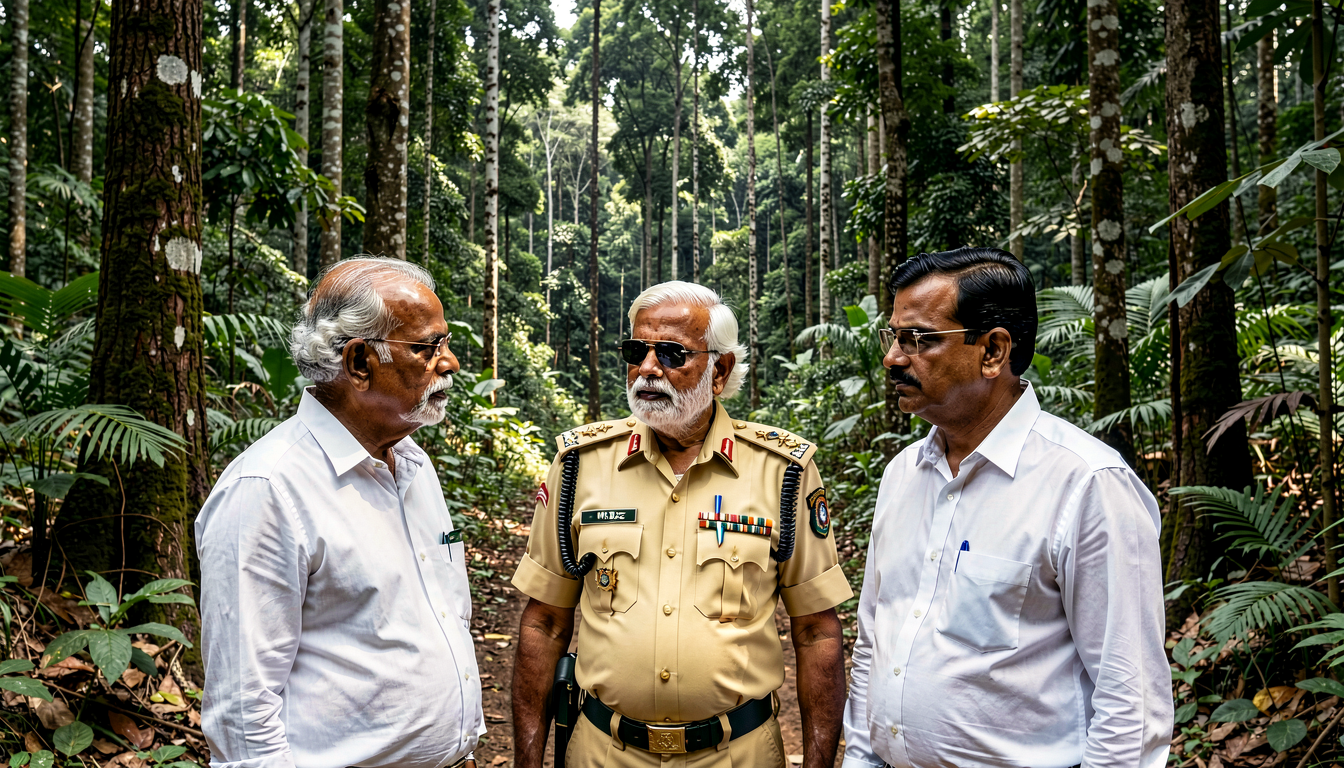
Pristine Forests at Risk: Jairam Ramesh Urges Expansion of INS Baaz Over Great Nicobar Airport
Thedeshpost.com – Concerns over the ecological impact of development projects on India’s untouched natural landscapes have intensified, with Congress leader Jairam Ramesh urging Defence Minister Rajnath Singh to reconsider the government’s plan to build a new airport on Great Nicobar Island. Instead, Ramesh has advocated for expanding the existing INS Baaz runway, which he believes would better serve strategic military needs while preserving the region’s pristine forests. The minister’s recent proposal has sparked debates about balancing infrastructure growth with environmental protection, as the area’s ecosystems face significant threats from large-scale construction.
Environmental Impact of the Great Nicobar Project
Ramesh’s appeal highlights the potential devastation of the Great Nicobar Island Project, which aims to create a multifaceted development hub. The project would require clearing two forested hills—each over 115 metres high—and disrupting 225 acres of protected forest, which serves as a critical habitat for diverse flora and fauna. The 130-acre tract, currently home to the Shompen tribal community, adds to the human and environmental stakes, with 142 acres falling within ICRZ-1A, a fragile coastal zone designated for conservation. This zone is vital for turtle nesting, coral reef systems, and the endangered Nicobar Megapode, a bird species uniquely adapted to the island’s ecosystem.
Ramesh has pointed out that the construction of the new airport would also involve filling a nearby creek, which could disrupt water flow and affect marine life. Additionally, the relocation of saltwater crocodiles and the displacement of 234 ex-servicemen families—marking their third relocation in recent years—underscore the project’s broader social and ecological consequences. These factors, combined with the lack of a thorough environmental impact assessment, have led Ramesh to argue that the Great Nicobar site is not the optimal choice for sustainable development.
Seven Reasons to Prioritize INS Baaz
Ramesh’s letter to Rajnath Singh outlines seven compelling reasons to favor expanding the INS Baaz runway. First, the existing facility is strategically located to support military operations in the Andaman and Nicobar archipelago, a region of vital maritime significance. Second, the expansion would avoid cutting into the island’s core forest areas, which are home to unique biodiversity and provide essential ecosystem services. Third, the project would minimize the displacement of local communities, ensuring their livelihoods are preserved alongside the environment.
Fourth, upgrading INS Baaz aligns with India’s long-term vision for sustainable infrastructure, as it reduces the need for extensive land clearing and habitat fragmentation. Fifth, the runway’s proximity to the current township and power plant means it could integrate seamlessly into existing development plans. Sixth, the project would mitigate the risk of ecological disasters linked to construction, such as soil erosion and water contamination. Lastly, Ramesh emphasizes that the Great Nicobar site’s environmental risks are more severe, with the potential to irreversibly damage the region’s ecological balance.
Public and Political Backing for the Environmental Cause
The growing public concern over the Great Nicobar project has been echoed by environmental experts and activists, who have warned of irreversible harm to the island’s ecosystems. Ramesh’s letter, which was also sent to Environment Minister Bhupender Yadav, reflects a broader coalition of voices calling for a more comprehensive evaluation of the project’s environmental footprint. Yadav, who has previously questioned the validity of the environmental impact assessment, has now joined the push for alternatives that prioritize ecological preservation.
“The Great Nicobar Island Project’s ecological toll has become increasingly apparent, raising urgent questions about its long-term viability,” Ramesh stated in the letter. “While the government touts its strategic benefits, the cost to our pristine forests and coastal zones cannot be ignored.”
Recent studies have shown that the Great Nicobar Island’s forests are not only rich in biodiversity but also play a crucial role in carbon sequestration and climate regulation. Ramesh’s arguments are supported by data indicating that the island’s ecosystems are more vulnerable to human activity than previously acknowledged, making the INS Baaz expansion a more responsible choice for both the environment and national security.
Strategic and Environmental Synergy
The INS Baaz runway, originally proposed as a dual-purpose facility by the Home Ministry in 2022, has the potential to serve as a strategic nexus for military and civilian operations. By expanding this site, India could meet its maritime defense requirements without compromising the ecological integrity of Great Nicobar Island. Ramesh argues that the defense ministry’s delay in responding to the project’s environmental implications reflects a disconnect between strategic goals and ecological stewardship.
Ramesh also criticizes the government’s reliance on anonymous briefings to communicate the project’s details, which he believes has fueled public skepticism. He points out that the Great Nicobar airport’s scale—designed to accommodate large international aircraft—could lead to long-term ecological degradation, including loss of habitat, increased pollution, and disruption of migratory patterns for marine and avian species. These concerns are compounded by the project’s location in a highly sensitive coastal zone, where even minor disturbances can have cascading effects on the region’s delicate ecosystems.
With the upcoming monsoon season and the island’s vulnerability to rising sea levels, Ramesh stresses that the Great Nicobar airport could exacerbate environmental risks. He advocates for a phased approach to infrastructure development, ensuring that each project undergoes rigorous evaluation before approval. By doing so, India could set a precedent for responsible expansion that protects its natural heritage while advancing strategic objectives.