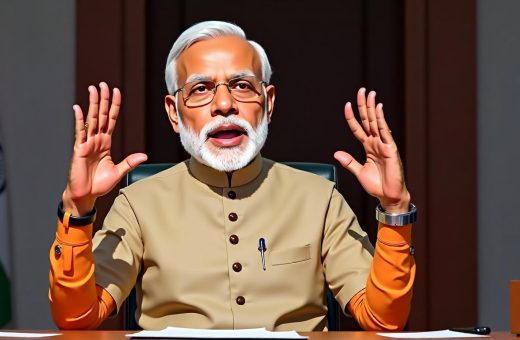
‘None of our MPs will split’: Sharad Pawar’s bold assertion in season of defections
In a bold declaration during a period marked by frequent defections
Sharad Pawar Vows No MP Defections Amid Political Shifts
Thedeshpost.com – In a bold declaration during a period marked by frequent defections, Nationalist Congress Party (NCP) leader Sharad Pawar asserted, “None of our MPs will split”, reinforcing his commitment to party unity. This statement comes at a critical juncture as regional parties like Shiv Sena (UBT) and Trinamool Congress have seen significant internal shifts, raising concerns about the stability of political alliances in India. Pawar’s firm stance aims to reassure both his supporters and allies within the ruling National Democratic Alliance (NDA), which has been under pressure to maintain cohesion amid growing uncertainties.
The Defection Wave and Its Impact on Political Parties
“Not a single one of our MLAs is going anywhere… Our MPs are united, and that will not change,” said Pawar, countering claims of potential splits within his ranks.
The assertion follows a pattern of legislators switching allegiance to gain personal or regional advantages. For instance, Uddhav Thackeray’s Shiv Sena (UBT) recently faced a leadership crisis, prompting several MLAs to defect to the BJP. Similarly, Mamata Banerjee’s Trinamool Congress has experienced internal fractures, with some members aligning with the Congress party. These movements have shaken the traditional political landscape, where party loyalty was once a cornerstone of governance.
Pawar’s confidence is partly rooted in the NCP’s current structure, which includes eight MPs and ten MLAs. However, the party’s recent struggles highlight the fragility of such unity. NCP MLA Dharmarao Atram had previously hinted that five of the eight MPs might defect to the Maharashtra-backed faction led by Sunetra Pawar, Sharad’s wife, by December. This speculation has created tension, with Supriya Sule, a Lok Sabha member from Baramati, challenging Atram to reveal the names of the alleged defectors.
“If Atram has a list of five MPs, why not target me? I’m still here, and I’ve been elected just two and a half years ago,” Sule remarked, expressing frustration over the perceived lack of urgency in the defection plans.
The exchange underscores the internal dynamics at play. While Pawar’s faction remains steadfast, the threat of defection looms large, especially given the low threshold for splitting—the party needs only six MPs to exit simultaneously for a significant shift. This vulnerability is compounded by the NCP’s loss of leadership control to Ajit Pawar in 2023, when 40 out of 55 MLAs defected, weakening Sharad’s influence. Despite reconciliation efforts in 2024, the factions remain divided after Ajit’s sudden death in January 2026.
Political Turmoil and the Role of the Anti-Defection Act
The recent defection wave has tested the limits of the Anti-Defection Act, a constitutional provision designed to prevent legislators from switching parties without penalty. While this law has historically safeguarded party cohesion, its effectiveness has waned as legislators have found ways to circumvent it. In the case of Shiv Sena and Trinamool Congress, two-thirds of their members defected together, rendering the act powerless in maintaining stability.
“None of our MPs will split” is a direct challenge to this trend, signaling Pawar’s determination to hold the party together. However, the NCP’s position is precarious. With just one Lok Sabha seat currently held by its MPs, the party may seek to strengthen its foothold within the NDA. This strategy could involve strategic alliances or leveraging the NDA’s majority to ensure survival in the Lok Sabha. The upcoming months will be crucial as the deadline for potential defections approaches.
Sharad Pawar’s assertion also reflects a broader concern about the erosion of democratic principles. Sule criticized the defection trend, questioning whether the current political climate has undermined the role of opposition parties. “If there’s no opposition left, who will represent the common people?” she asked, emphasizing the need for stability in governance. Her comments highlight the delicate balance between party loyalty and individual ambition, a theme that resonates across Indian politics.
With Atram’s December deadline looming, the fate of the NCP hangs in the balance. While Pawar’s faction remains united, the threat of defection could reshape the party’s trajectory. The upcoming political landscape will be closely watched, as the NCP’s ability to retain its MPs could determine its role in shaping national policies. As the nation grapples with the implications of this wave of defections, Pawar’s vow to hold the line will be a key test of his leadership.
Stay updated with the latest India news and live updates by downloading the TOI App.