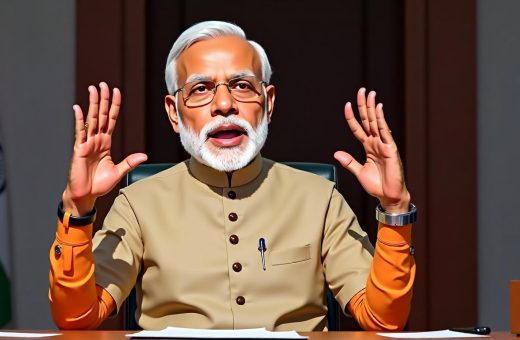
Maharashtra’s Uniform Civil Code: Committee to draft legislation in two weeks
Maharashtra's Uniform Civil Code: Committee to Draft Legislation in Two Weeks Thedeshpost.com – Plans are underway for Maharashtra to become the next state to implement a Uniform Civil Code (UCC),…
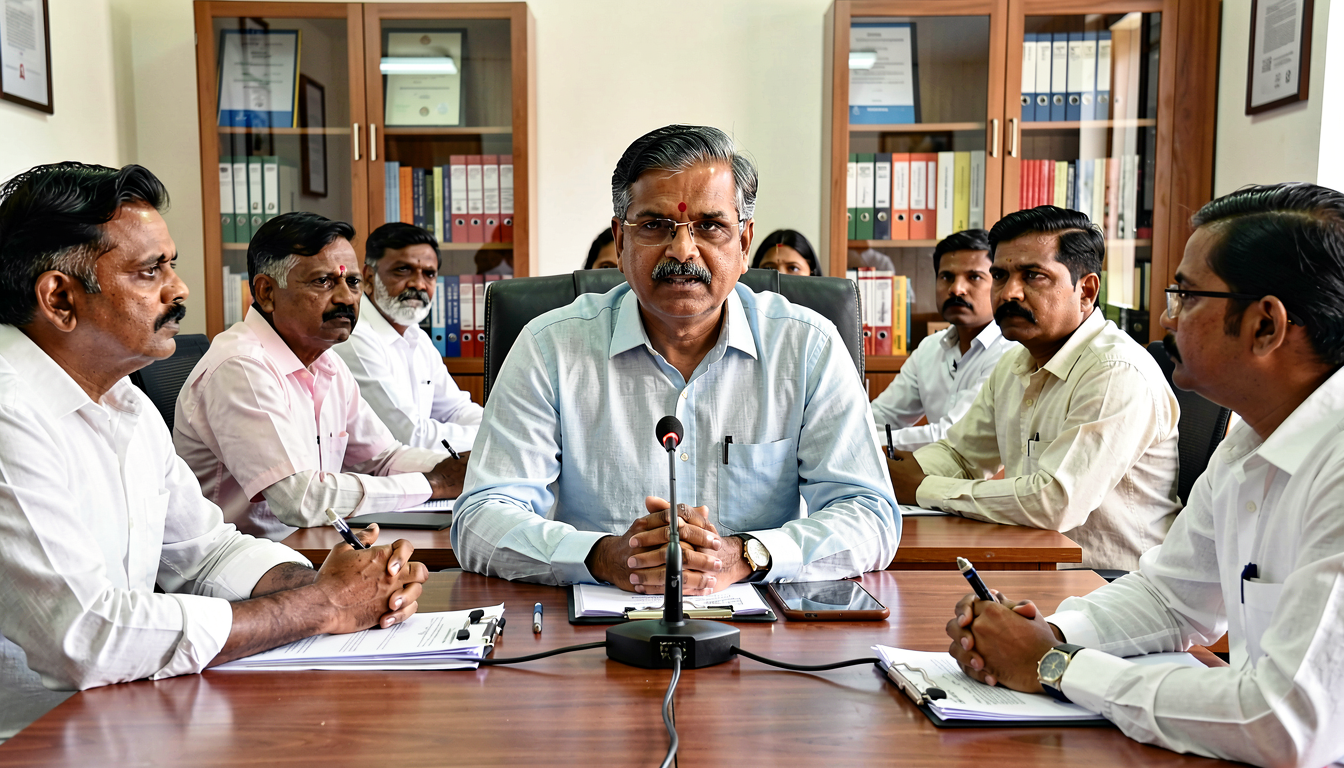
Maharashtra’s Uniform Civil Code: Committee to Draft Legislation in Two Weeks
Thedeshpost.com – Plans are underway for Maharashtra to become the next state to implement a Uniform Civil Code (UCC), with a dedicated committee set to finalize the legislative framework within two weeks. This initiative, announced by the state government, aims to unify personal laws governing marriage, divorce, inheritance, and adoption across all communities, including Hindus, Muslims, Christians, and others, under a single legal system. The UCC has long been a topic of debate in India, with Maharashtra’s move marking a significant step toward achieving legal equality for citizens regardless of religion.
Committee Formation and Legal Framework
The committee, which will be chaired by a retired high court judge, is expected to convene shortly to begin drafting the legislation. This body will consist of legal experts, social activists, and representatives from various religious communities to ensure a balanced approach. The UCC is designed to eliminate disparities in personal laws, which have historically allowed different religious groups to follow distinct legal traditions. By creating a standardized set of rules, the legislation aims to simplify legal procedures and promote a more equitable society. The committee’s timeline of two weeks underscores the urgency with which the state government is addressing this issue.
Context and Significance of the Uniform Civil Code
The push for a Uniform Civil Code in Maharashtra builds on previous efforts by states like Uttarakhand, Goa, and Assam, which have already implemented similar laws. These states have demonstrated that a unified legal system can be effective in resolving issues related to personal law, such as unequal rights in property inheritance or marriage. Maharashtra’s decision to adopt this approach reflects growing public support for gender equality and secularism. The UCC would also streamline legal processes, reducing the need for multiple sets of laws and improving access to justice for all citizens.
Legal experts emphasize that the UCC is not just a reform for personal matters but also a cornerstone of a more inclusive society. By standardizing laws, the code can help address long-standing inequalities, particularly for women and marginalized communities. For instance, Muslim personal law currently allows a husband to unilaterally divorce his wife without prior notice, while Hindu laws require a more formal process. The committee’s draft is expected to incorporate provisions that align these practices, ensuring fairness and consistency. This shift could also encourage other states to follow suit, accelerating the national movement toward legal uniformity.
Despite its potential benefits, the UCC faces challenges, including resistance from religious groups who fear it may erode cultural traditions. Critics argue that the code could be seen as imposing a particular set of values on all citizens, potentially leading to disputes over its implementation. However, proponents stress that the UCC is a flexible framework that respects diverse customs while promoting equality. The Maharashtra government has pledged to engage in consultations with stakeholders to address concerns and ensure smooth integration of the new laws. Public opinion remains divided, but the committee’s swift action highlights the state’s commitment to progress.
As the committee prepares to draft the legislation, the focus keyword “Maharashtra s Uniform Civil Code” will be central to discussions. The UCC is expected to cover key aspects such as marriage contracts, adoption rights, and inheritance laws, with provisions tailored to Maharashtra’s unique social and legal context. By introducing this code, the state hopes to set a precedent for other regions, fostering a sense of unity and fairness. The next phase will involve public hearings, debates, and finalizing the bill for approval by the state legislature. With the clock ticking, the Maharashtra government is determined to make this a landmark achievement in legal reform.